The Benchmark U.S. Treasury Yield Topped 5% For The First Time In Years. Odds Of a Rate Hike Climbed Further.
Should the 10-year yield hit 5.2%, it would be the highest since July 2007, before the global financial crisis.


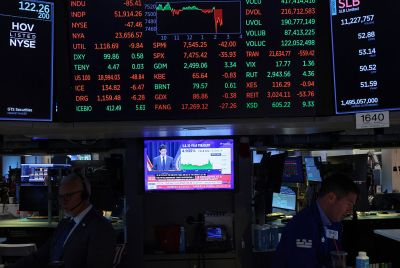
The benchmark 10-year Treasury yield hit 5% for the first time since 2023 on Monday, getting closer to the highest level since July 2007. The note then pared the climb, going back below the threshold.
CNBC noted that, should the yield continue climbing and hit 5.02%, it would reach the highest level since July 2007, before the Global Financial Crisis of 2008 and 2009.
Odds of a rate hike by the Federal Reserve climbed further after the development. According to the CME Group's FedWatch tool, chances of a hike are now above 90%. The central bank will announce its decision on Wednesday.
Yields have continued to climb even though Treasury Secretary Scott Bessent said last week that the department will buy back $6 billion of longer-dated government debt, triple the usual amount.
A recent report noted that the reasury could dip into its $1 trillion General Account (TGA) to help fund its plan to increase buyback of government bonds. The TGA will allow the Treasury with a large chest to fund the strategy and influence long-term bond yields
Broader assets are under strain as oil climbs and tech companies seek to pace the development of frontier AI models.
Top AI leaders agreed during the weekend on the need for a slower pace for frontier AI development. They did after Anthropic CEO Dario Amodei published an essay in which he said companies should slow the rate at which they improve the capabilities of their most advanced models while continuing AI research and development.
President Donald Trump, in turn, appeared to dismiss the calls, saying "we're leading China in AI, we're the most sophisticated country in the world, and frankly I want to keep it that way." "Whoever wins AI wins," he added.
Elsewhere, oil prices keep climbing after Saudi Arabia shut down its key East-West pipeline after sustaining multiple attacks last Friday, further threatening its oil exports. And a meeting between Gulf countries to discuss reopening the Strait of Hormuz was called off without a new set date.
Citing sources familiar with the matter, Reuters detailed that Riyadh could take up to six weeks to fix the pipeline if it doesn't get hit again. Another estimate claimed that the work could take less and partial pumping could resume as well.
However, should the country not manage to resume exports, about 4% of the global oil supply could come under threat.
© Copyright IBTimes 2026. All rights reserved.
- Recommended For You