Trump Officials Believe Sanctions Could Hurt Iran More Than Bombs. Intelligence Points To A Deepening Financial Crisis
President Donald Trump paused U.S. airstrikes against Iran over the weekend after 13 consecutive days of attacks.


Senior Trump administration officials believe the United States' economic pressure campaign against Iran may ultimately inflict greater damage than weeks of military strikes, even as the administration continues to hold the threat of further military action over the Islamic Republic.
According to an Axios report, U.S. officials argue that mounting financial pressure is pushing Iran into one of its most severe economic crises in years, creating shortages, straining government finances and weakening the country's ability to fund its military and regional allies.
President Donald Trump paused U.S. airstrikes against Iran over the weekend after 13 consecutive days of attacks, saying that Tehran had sought to reopen negotiations over a potential agreement. Iran quickly denied making such a request.
Despite the public disagreement, diplomatic contacts continue through mediators including Oman, Qatar and Pakistan, which are attempting to transform the current pause in fighting into a more durable ceasefire.
One proposal under discussion would give Iran and Oman a greater role in managing commercial traffic through the Strait of Hormuz, one of the world's most critical oil shipping routes. The concept draws inspiration from the cooperative maritime management system used in the Straits of Malacca and Singapore.
According to a senior U.S. administration official, however, divisions remain within Iran's leadership over whether to pursue such an arrangement. The negotiations extend beyond maritime security. Iran is reportedly seeking guarantees against future U.S. military action while also pushing for sanctions relief and access to frozen assets.
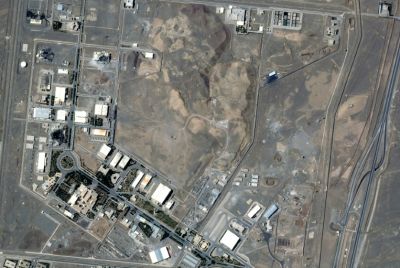
Trump remains reluctant to ease economic restrictions without major concessions, including the surrender of Iran's remaining nuclear material. Administration officials told the outlet that Tehran's growing financial distress has become one of Washington's strongest sources of leverage.
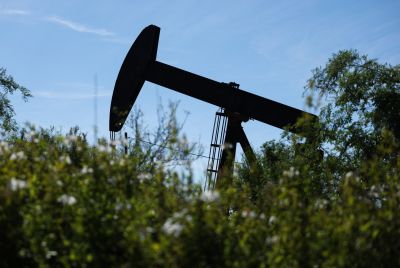
"The Iranians want to stop being bombed and they want money," one senior administration official said. "But that's almost in reverse order. They really want the money first." U.S. intelligence assessments reportedly indicate that economic conditions inside Iran continue to deteriorate despite the country's significant oil reserves.
Officials cited gasoline shortages, concerns about potential bank runs, and increasing difficulty paying members of Iran's military and allied militant groups. One U.S. official told Axios that intelligence suggests Iranian authorities are struggling to finance their regional network because of mounting financial restrictions imposed by the Treasury Department.
Officials acknowledged that economic pressure is unlikely to produce immediate results compared with military action. However, they believe prolonged financial isolation could eventually force Tehran back to the negotiating table without requiring a broader military campaign.
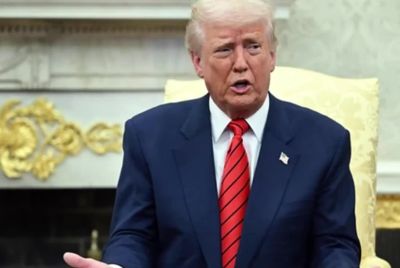
Trump indicated Monday that he remains willing to wait. "I have a lot of patience," the president told reporters. Axios also reported that Trump's decision to suspend the bombing campaign followed warnings from Joint Chiefs Chairman Gen. Dan Caine regarding pressure on U.S. weapons stockpiles assigned to Central Command, particularly air defense interceptors.
White House press secretary Karoline Leavitt defended the administration's dual-track strategy, telling Axios that Trump continues to favor diplomacy while maintaining military options if Iran threatens shipping through the Strait of Hormuz or attacks U.S. allies.
"The president prefers a diplomatic solution, but he continues to retain all options," Leavitt said, adding that sanctions combined with recent military strikes have significantly increased pressure on Tehran to negotiate.
© Copyright IBTimes 2026. All rights reserved.
- Recommended For You