US Senate Nod For Russia Sanctions. Ukraine Cheers Move, But Will Moscow Blink
The legislation is targeted at top oil importers of Russia and curb the war appetite of President Putin.


The US Senate ratified a sanctions package targeting Russia's energy revenues amid the conflict with Ukraine.
The Senate passed the legislation, the "Lindsey O Graham Sanctioning Russia and Iran Act of 2026", that allows the administration to impose up to 100% tariffs on major nations importing Russian oil and gas, on Friday.
The legislation now moves to the House of Representatives. The 435-seat lower chamber will likely debate the legislation only in September, due to the congressional summer recess, the Associated Press reported.
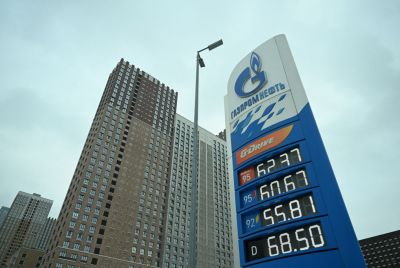
The legislation is aimed at least five top importers of Russian fuel, with key targets of Washington identified as China and India.
"This could finally bring Russia to the negotiating table and end this conflict between Russia and Ukraine," Republican Jim Risch, ranking member of the Senate Foreign Relations Committee, said.
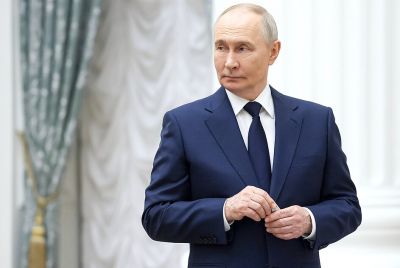
The backers of the bill and the Trump administration believe that such a step would force Russia to tone down its war rhetoric and drag it to talks to end the conflict, which has raged on since 2022. Russia has not shown any signs of backing down on its invasion of Ukraine, but it has not been able to make the kind of advances it hoped to make when the conflict began.
The legislation's backers believe energy sales by Moscow is feeding its war appetite and hence they feel it necessary to cut its financial earnings.
China and India are two major economies that are buying Russian oil. The US slapped 25% punitive tariff on India in August 2025, but scraped it after a trade deal with the South Asian nation was announced in February. The deal is yet to be finalized.
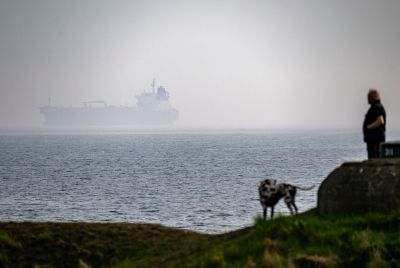
Ukraine has also been lobbying the US administration to cut Russia's oil revenues. Washington had thrice waived sanctions on sale of Russian oil loaded on commercial vessels since the Middle East conflict began following the US-Israeli strikes on Iran in February this year. The Trump administration had said the measure was aimed at preventing a massive surge in oil prices after Iran shut the Strait of Hormuz.
The Strait shipped a fifth of the world's energy cargoes before the Middle East conflict erupted. The closure led to a steep spike in crude, with prices rallying to as high as $120 per barrel at one point of time.
The passage of the legislation has been welcomed by Ukraine, which considers itself a beneficiary of such a step championed by late Senator Lindsay Graham. Graham, who died on July 11, was a key aide of Trump and a staunch believer that sanctions could tighten the noose against Russia and force Moscow to take steps to end the conflict.
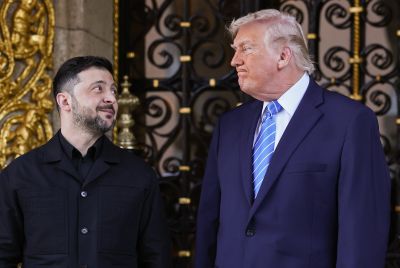
In a post on the social media platform X, President Volodymyr Zelenskyy Zelenskyy extended his gratitude. He said Ukraine deeply appreciates the continuous support "from both parties and the entire American people."
We are very grateful to the U.S. Senate and to everyone who supports Ukraine. Adopting the Lindsey Graham Sanctioning Russia and Iran Act certainly helps increase pressure on the aggressor to bring this insane Russian war against our independence and our people to an end.…
— Volodymyr Zelenskyy / Володимир Зеленський (@ZelenskyyUa) August 7, 2026
But the bill has its detractors. Several members believe the passage of the bill in the lower chamber may not be an easy affair. The opponents of the bill are wary that the bill may offer President Donald Trump power to impose sweeping tariffs. Hence, they are apprehensive of backing the legislation.
Russia has slammed the legislation citing the knock-on energy constraints triggered by the US-Israel war on Iran. Moscow had warned in July that "with an impending energy crisis and rising gas prices on the eve of the [US] midterm elections, sanctioning Russia and its trading partners... would be extremely counterproductive for the United States."
The Trump administration has so far failed to pressurise Moscow to end the war.It has also struggled to ensure US funding and supply of munitions to Ukraine.
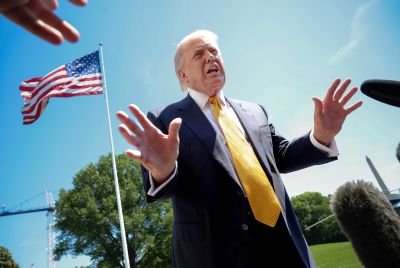
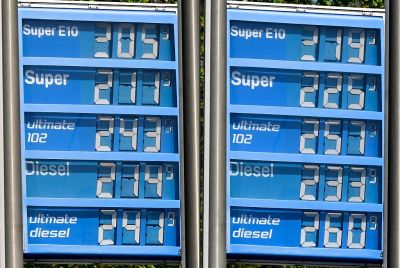
Trump has prodded lawmakers to club the sanctions with action on Iran. Those who oppose a prolonged conflict with Iran also appear indecisive on backing such a legislation. The US midterm polls are also likely to be impacted by the rising oil prices, which has stoked inflationary pressures.
Most Americans expect chaos in the Middle East to expand as a result of the war in Iran even as talks to reopen the Strait of Hormuz appear to be making progress, according to a new poll.
© Copyright IBTimes 2026. All rights reserved.
- Recommended For You