The AI Boom Is Making Memory Chips Much More Expensive, Impacting Laptop And Smartphone Prices
Prices paid by producers for electronic components jumped a record 27.6% in June as AI companies compete for memory supply.

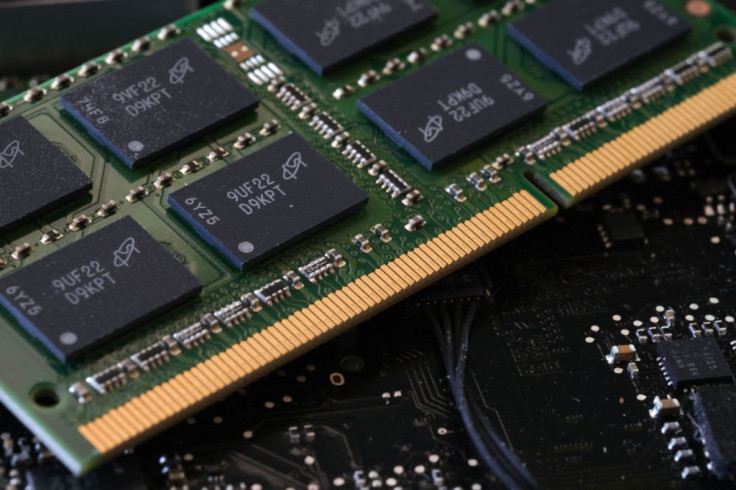
Artificial intelligence spending is driving an unprecedented surge in memory chip prices, increasing costs for smartphones, laptops and cloud computing as major technology companies secure supplies years in advance.
Prices paid by U.S. producers for electronic components and accessories jumped 27.6% in June from a year earlier, the largest increase in government records dating back to 1966, according to data from the Bureau of Labor Statistics.
The sharp increase has fueled what analysts are calling "chipflation,'' rising semiconductor costs caused in large part by the enormous amount of memory required for AI infrastructure.
The price increases are beginning to affect consumer electronics manufacturers as companies including Meta, Microsoft and Google parent Alphabet commit to long-term agreements that secure memory supplies for their expanding AI data centers, Axios reported.
Those agreements leave smartphone and PC manufacturers competing for a smaller pool of available memory at substantially higher prices.
Memory prices have increased more than sixfold over the past year, according to Morgan Stanley, reversing a decades-long trend in which technological advances steadily reduced the cost of computer memory.
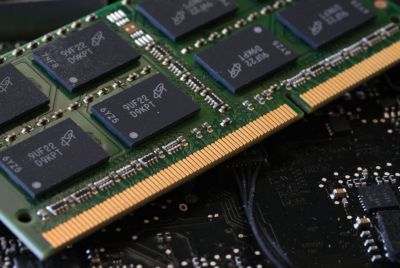
DRAM, or dynamic random-access memory, is used by everything from smartphones and PCs to servers. High-bandwidth memory, or HBM, has become particularly important for AI because it allows processors to rapidly access and move the huge volumes of data required to run advanced models.
AI systems are also consuming far more memory than previous generations of computing infrastructure.
Morgan Stanley estimates servers will account for 59% of global DRAM demand by 2028, up from 37% in 2023. Enterprise solid-state drives are expected to represent 65% of NAND demand, compared with 18% previously.
The amount of HBM used across an AI data center buildout has meanwhile increased from roughly 10 terabytes in 2020 to about 18 petabytes in 2026, according to the investment bank.
The supply crunch is already forcing some of the world's biggest consumer technology companies to consider alternative suppliers.
Apple is testing memory chips made by China's ChangXin Memory Technologies, or CXMT, as it seeks additional supply amid rising costs, according to reports this week.
The iPhone maker has held preliminary discussions about using CXMT components in some devices sold in China, although such an arrangement would require approval from the U.S. government.
The discussions underline how dramatically the memory market has changed as AI companies compete with traditional electronics manufacturers for available capacity.
CXMT accounted for about 7% of global DRAM revenue in the second quarter, according to Counterpoint Research data cited by Barron's.
However, Chinese manufacturers are also facing strong domestic demand, potentially limiting their ability to relieve the global shortage.
Earlier expectations that higher memory prices would cause companies to reduce technology spending have so far failed to materialize.
Instead, companies are increasingly trying to secure components before prices rise further or supplies become unavailable.
AI infrastructure is particularly memory-intensive because increasingly powerful chips and systems require larger amounts of HBM. Morgan Stanley said a newer AI chip uses about 7.2 times more HBM than earlier generations, while a complete AI system can use roughly 65 times more.
The supply-demand imbalance in DRAM and NAND could persist through at least 2027, with manufacturers benefiting from higher prices as AI demand remains strong.
For consumers, the impact could increasingly show up in electronics prices.
Morgan Stanley estimates the memory shortage could add about 0.10 percentage point to overall U.S. headline inflation this year, while potentially adding as much as 15 percentage points to the CPI measure for PCs and smartphones.
© Copyright IBTimes 2026. All rights reserved.
- Recommended For You