

Bessent Announced Increased Bond Buybacks. Treasury Yields Jumped Anyway.
The 10-year Treasury yield climbed to its highest level since 2023 despite the announcement.

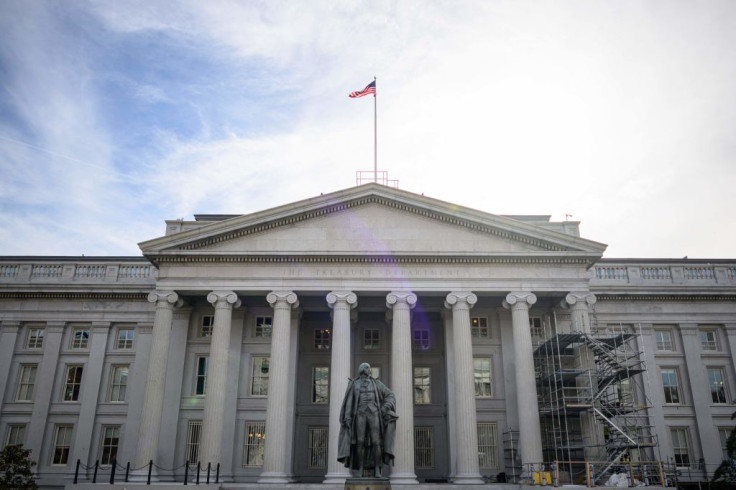
Treasury yields climbed on Wednesday even though Treasury Secretary Scott Bessent said the department will buy back $6 billion of longer-dated government debt, triple the usual amount.
The yield on the 10-year Treasury note, the benchmark rate, hit the highest since November 2023. The 2-year and 30-year yields were also trading higher.
CNBC noted that the move could be a result of some in the markets believing buybacks would be bigger.
A recent report noted that the reasury could dip into its $1 trillion General Account (TGA) to help fund its plan to increase buyback of government bonds.
The TGA will allow the Treasury with a large chest to fund the strategy and influence long-term bond yields
Bessent had announced last month that the Treasury would double the amount of buybacks to at least $4 billion. Yields initially decreased, but rose back quickly amid renewed concerns about the effectiveness of the operations.
These buybacks are taking place as the U.S. is seeing reduced purchases from foreign governments and a debt that reached the $40 trillion mark.
Foreign central banks, finance ministries and sovereign wealth funds once represented one of the most dependable groups of buyers in the U.S. Treasury market. But their importance has fallen dramatically, a shift that is becoming harder to ignore as long-term Treasury yields rise and investors demand greater compensation for lending money to the federal government.
Official foreign institutions now hold about 12% of outstanding U.S. Treasury securities, according to a recent Axios analysis. The figure is down from roughly 40% during and in the years following the 2008 financial crisis.
Bessent said on Tuesday that the U.S.can grow its way out of debt with 3% yearly growth. "We don't have a revenue problem. We have a spending problem," Bessent said on Tuesday in Dallas. He added that the combination of contained spending and 3% growth can put the U.S. on a more sustainable path to rein in on debt spending.
He went on to say he has been working with the director of the Office Management and Budget, Russ Vought, on a fiscal consolidation plan.
"We'll get to the other side of this Iran conflict and the underlying economy is very, very strong, and I think reaccelerating," Bessent added, pointing to the construction of new manufacturing plants across the U.S. and spending related to the AI boom.
Bessent had made a similar claim regarding growth at the G20 summit in North Carolina, claiming the world is "awash in debt" and economies need to "grow their way out" of the issue.
© Copyright IBTimes 2026. All rights reserved.