

Inflation and Interest Rates’ Outlook Ceded After U.S.-Iran Ceasefire. It Is Going Up Again As it Resumes
OCBC economists said recent labor market data suggest the U.S. economy continues to show resilience.

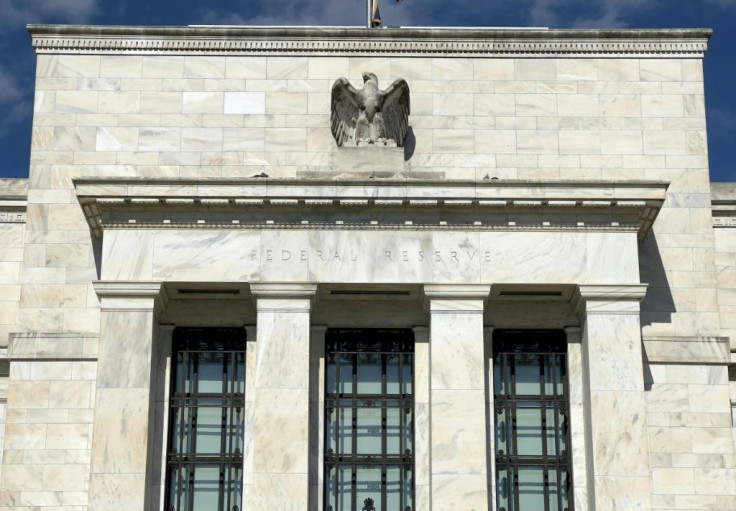
Rising tensions in the Middle East are once again making analysts concerned about inflation, as persistently elevated oil prices threaten to raise consumer costs and keep central banks on a cautious path.
CNBC noted that investment giant BlackRock estimated the conflict is expected to increase global headline inflation by approximately 0.8 percentage points. However, the effects will vary significantly from one region to another.
Countries that depend heavily on imported energy are expected to feel the greatest impact. Europe and several Asian economies remain particularly vulnerable because they rely on international oil and natural gas supplies to meet domestic demand.
Higher oil prices ripple throughout the economy by raising transportation, manufacturing and shipping costs, which often translate into more expensive goods and services for consumers. Energy also plays a significant role in food production, creating additional upward pressure on grocery prices.
When the conflict intensified at the end of February, many analysts warned that Brent crude could surge to between $150 and $200 per barrel if Iran succeeded in disrupting traffic through the Strait of Hormuz, the strategic waterway that carries roughly one-fifth of the world's oil supply. Instead, Brent crude peaked at about $126 per barrel, well below the record of nearly $147 reached in 2008, according to Reuters.
Prices averaged around $101 per barrel between the start of the conflict on February 28 and June 11, when President Donald Trump announced a halt to U.S. strikes against Iran. Although fighting later resumed, oil briefly fell back to around $70 per barrel in early July before recovering.
The renewed inflation concerns could complicate the outlook for central banks that have been carefully balancing the need to support economic growth while ensuring inflation remains under control.
In a report cited by CNBC, OCBC economists said recent labor market data suggest the U.S. economy continues to show resilience rather than signs of significant deterioration. That means policymakers may be less willing to cut interest rates if energy-driven inflation begins accelerating again.
"With labor market data pointing to stabilization rather than deterioration, a fresh energy shock would leave the Fed focused on upside inflation risks," OCBC analysts said in a research note.
That assessment reinforces expectations that the Federal Reserve may maintain a restrictive monetary policy for longer than investors previously anticipated. Yung-Yu Ma, chief investment strategist at PNC Asset Management, told CNBC that stronger corporate earnings among U.S. small- and mid-cap companies have provided an encouraging backdrop for equities. However, he cautioned that sustained increases in oil prices could eventually begin weighing on corporate profitability.
"I'm not sure that those trends can withstand a couple of quarters of higher oil prices and continued strains with inflation pressures," Ma said during CNBC's Squawk Box Asia.
Businesses often face a difficult choice when energy costs rise. They can either absorb higher operating expenses, reducing profit margins, or pass those costs on to consumers, potentially fueling another round of inflation.
Either outcome presents challenges for financial markets. Higher inflation generally reduces consumers' purchasing power while increasing borrowing costs for households and businesses. It can also pressure stock valuations, particularly in sectors that rely heavily on consumer spending or have thinner profit margins.
According to Ma, the Federal Reserve's cautious stance is unlikely to change until energy markets begin showing signs of improvement. "The Fed hawkishness is here to stay until we start to see relief in the energy markets, the oil markets, and some of these other inflation pressures, which have taken a renewed path higher," he said.
For investors, that environment underscores the importance of diversification as geopolitical risks remain elevated. "We have to think about a balanced portfolio here, where to diversify some of that risk away," Ma added.
© Copyright IBTimes 2026. All rights reserved.