The Fed Kept Interest Rates Steady, But It Was Not a Unanimous Decision
Markets widely expect policymakers to raise rates in September.

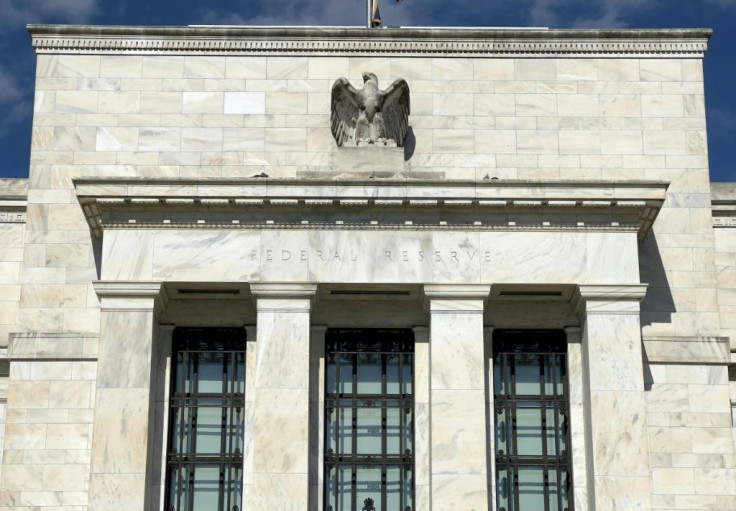
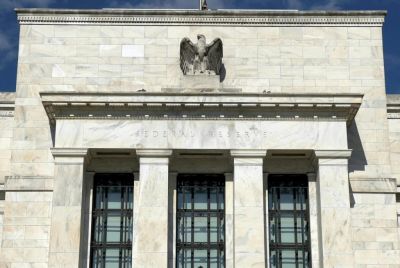
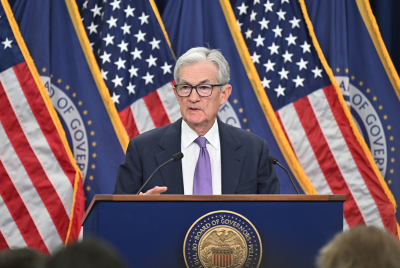
The Federal Reserve left interest rates unchanged, but stubborn inflationary risks and renewed energy market volatility keep pressure on the central bank to tighten policy later this year. Three of the Federal Open Market Committee's members voted against the decision, which maintains the federal funds rate between 3.5% and 3.75%.
CNBC noted that those who voted no are Beth Hammack of Cleveland, Neel Kashkari of Minneapolis and Lorie Logan of Dallas. They were the most vocal about the need to increase rates.
Officials noted in their statement that "economic activity is expanding at a solid pace despite elevated uncertainty that owes, in part, to the conflict in the Middle East," adding that job growth has "kept pace with the workforce and the unemployment rate has changed little."
Geopolitical tensions have complicated the inflation outlook after a lull sent energy prices plummeting. Oil prices surged after renewed fighting between the U.S. and Iran, as well as the Houthis' intention to control the Bab el-Mandeb Strait.
Hostilities are poised to escalate further. President Donald Trump on Wednesday anticipated a forceful response against Iran for attempted strikes against U.S. assets in Jordan.
Speaking to Fox News, Trump said "we're going to beat the f---ing s--t out of them." "We'll be hitting them hard. They're going to get a beating," the president added.
Trump went on to say that U.S. forces had few minutes to respond to the attack but managed to shoot down all incoming missiles.
The U.S. Central Command said in a statement that the "Islamic Revolutionary Guard Corps forces launched multiple ballistic missiles from Iran in an attempted surprise attack on U.S. forces based in the Middle East."
It went on to claim that "all Iranian missiles were successfully intercepted. U.S. forces remain vigilant and at a high state of readiness."
The U.S. later said it fired on Iran-backed militias in Iraq along with Saudi Arabia in retaliation for strikes against Riyadh over the past days. Groups said at least 20 fighters have been killed.
Domestic factors are also contributing to price pressures. Higher tariffs on imported goods, combined with heavy investment in artificial intelligence infrastructure, have increased demand for semiconductors, electrical equipment and power generation capacity, adding to costs across parts of the economy.
© Copyright IBTimes 2026. All rights reserved.
- Recommended For You