The Dow Lost 1,000 Points In A Day On Thursday. Here’s How The Index Has Behaved After Throughout History
In many cases, the immediate aftermath brought additional weakness before the market eventually staged a meaningful recovery.


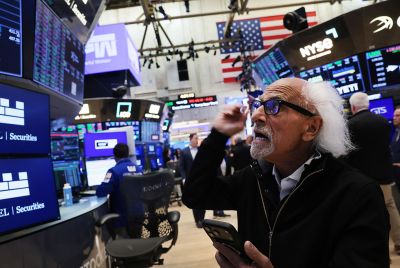
The Dow Jones Industrial Average suffered another dramatic selloff Wednesday, dropping more than 1,000 points after the Federal Reserve left interest rates unchanged while oil prices climbed toward $85 a barrel, reigniting concerns that inflationary pressures could remain elevated.
While a four-digit loss grabs headlines, recent market history suggests these steep declines have often followed a familiar pattern. According to CNBC's analysis, the Dow has closed down by more than 1,000 points nine times over the past five years. In many cases, the immediate aftermath brought additional weakness before the market eventually staged a meaningful recovery.
Historical data shows that the Dow typically posts little change the day after a 1,000-point selloff, with a median return hovering around flat. Performance has tended to worsen over the following week, producing a median decline of 1.14%. The index is rebounding on Thursday, climbing more than 1%.
Longer-term results, however, have been considerably stronger. One month after those large drops, the index has delivered a median gain of nearly 2%, while three months later the median advance has expanded to 9.1%.
Much of that track record reflects how markets have historically recovered once investors gained greater clarity on the events that initially triggered the selling. Three of the nine largest declines occurred during the market turmoil that followed President Donald Trump's "Liberation Day" tariff announcement in April 2025. Investors reacted sharply after the administration unveiled sweeping reciprocal tariffs on countries around the world, sending the Dow and broader U.S. stock market sharply lower.
Sentiment improved only days later after Trump announced a 90-day pause on much of the tariff plan, fueling a powerful rebound across Wall Street. Even so, volatility remained elevated, and the Dow stumbled again on April 10 as investors continued to assess the economic impact of maintaining steep tariffs on Chinese imports. Markets regained momentum later that month as Washington and Beijing signaled that trade tensions were easing.
An even larger share of the recent four-digit declines occurred during 2022, when inflation surged to multi-decade highs and the Federal Reserve embarked on one of its most aggressive rate-hiking campaigns in decades. Investors feared rapidly rising borrowing costs would slow economic growth and potentially trigger a recession, pushing the Dow and other major indexes into bear market territory.
Those concerns eventually subsided as inflation cooled and markets found a bottom in October 2022, marking the beginning of the current bull market. The remaining two large selloffs came in 2024 under different circumstances.
The August decline followed a weaker-than-expected U.S. jobs report that fueled concerns about the health of the labor market, while a sharp decline in Japanese equities added to global market anxiety.
December's 1,000-point drop came after the Federal Reserve indicated it would proceed cautiously with future interest-rate cuts, disappointing investors who had hoped for a more aggressive easing cycle.
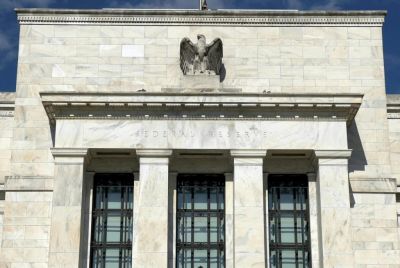
Wednesday's decline shares characteristics with several of those previous episodes. Investors were disappointed after the Fed maintained its benchmark interest rate at 3.5% to 3.75%, while signaling continued concern about inflation.
Notably, three Federal Reserve officials dissented in favor of raising rates, suggesting policymakers remain divided and that further tightening could still be possible. At the same time, oil prices climbed after President Trump vowed retaliation against Iran following a surprise attack on American forces, adding fresh inflation concerns to an already uneasy market environment.
© Copyright IBTimes 2026. All rights reserved.
- Recommended For You