

Shipping Stocks Have Surged More Than Two Thirds % in 2026. Now Investors Must Decide If the Rally Can Last.
A basket of 35 U.S.- and European-listed shipping stocks has gained about 68% this year, more than five times the advance of the S&P 500.

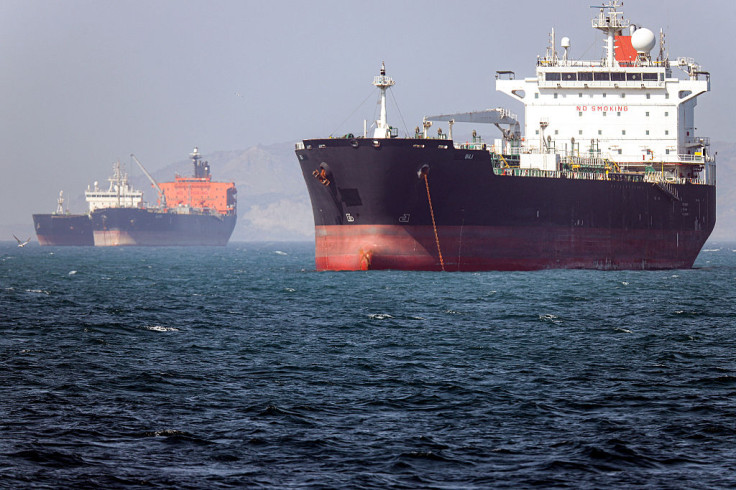
Shipping stocks have emerged as one of the biggest winners of 2026, fueled by the Iran war, disruption in the Strait of Hormuz, and a shortage of vessels that has sent freight rates soaring. But after the sector's strongest rally in decades, investors are wondering how much of the boom can last.
A basket of 35 U.S.- and European-listed shipping stocks tracked by Lloyd's List Intelligence has gained about 68% this year, according to a CNBC report, more than five times the advance of the S&P 500. Over the past 12 months, the group has jumped 82%.
Crude-tanker companies have been the standout performers, surging 120% year-to-date. Car carriers, gas carriers and dry-bulk shipping companies have also posted strong gains.
That dynamic has played out repeatedly in recent years. Shipping companies benefited from supply-chain disruptions during the COVID-19 pandemic, the Houthi attacks that diverted vessels away from the Red Sea, and Russia's invasion of Ukraine.
The Iran war has provided the latest and potentially most powerful catalyst. The Strait of Hormuz was one of the world's most important oil-shipping routes before the conflict disrupted traffic through the waterway. Tankers have been forced to travel longer distances while insurance costs have risen sharply.
For shipping companies, those disruptions can translate into higher revenue. Longer voyages increase "tonne-miles," an industry measure that combines the amount of cargo transported with the distance it travels. Effectively, the same amount of global trade requires ships to spend more time at sea, reducing available vessel capacity and putting upward pressure on freight rates.
The effect is visible across the stock market. Danaos shares have climbed roughly 60% this year and reached their highest level since 2008, according to LSEG data cited by CNBC. Frontline and Teekay Tankers are trading at levels not seen since 2011, while BW LPG has reached a record.
Safe Bulkers and Navios Maritime Partners have hit multiyear highs, while International Seaways recently reached an all-time high. The most dramatic gains have occurred in freight markets themselves.
The Breakwave Tanker Shipping ETF, which provides exposure to near-dated crude-tanker forward freight contracts, has surged 650% since the Middle East war began in February and more than 2,300% in 2026.
The debate now centers on whether those gains reflect a lasting transformation in global shipping or a temporary geopolitical premium. John Kartsonas, founder and managing partner of Breakwave Advisors, warned that a significant portion of current prices amounts to "fear pricing."
But the bullish case for shipping does not depend entirely on Iran. Shipping markets were already entering 2026 in relatively strong condition following roughly a decade of underinvestment in new vessels, according to J Mintzmyer, founder and president of Value Investor's Edge.
© Copyright IBTimes 2026. All rights reserved.