Inflationary Pressures Keep Growing. Consumer Confidence Is Dropping Further.
The Conference Board Consumer Confidence Index "deteriorated notably" in September, according to the body's chief economist.


Consumer confidence kept deteriorating in September as inflationary concerns mount in the U.S., according to new figures.
The Conference Board Consumer Confidence Index released new figures on Tuesday showing that its index fell by 6.7 points, from 88.6 in August to 81.9. The Present Situation Index, which surveys consumers' assessment of business and labor market conditions, and the Expectations Index, based on their outlook for income, business and labor market conditions, also plummeted.
Dana M Peterson, the Conference Board's Chief Economist, said in a statement that figures showed a notable drop. "Consumer appraisals of current business conditions became negative for the first time since September 2024. Perceptions of the current labor market also worsened, though remained within positive territory," she added.
The surge in fuel costs, which is around historical highs, were a key factor in consumers' assessment of the situation. "Consumers also frequently cited politics, trade, and employment in their write-in responses, though to a lesser extent," the document noted.
Peterson went on to say that consumers expect business conditions and the labor market to weaken further in the next six months. Almost all age and income groups shared that view: "While higher-income groups remained generally more optimistic, those with a household income of $125,000-$149,000 reported the greatest decline in confidence over the last six months."
Other surveys have also shown a deterioration of sentiment. The University of Michigan's Survey of Consumers showed last week the lowest figure in four months, standing at 48.1, compared to 51.7 in August and 55.1 last September. It is a 7% and 12.7% drop for the month and the year, respectively.
Joanne Hsu, the survey director, noted that the latest figure is down 15% compared to January. "Views of current and year-ahead expected personal finances both weakened about 10% this month, with concerns over high prices continuing to climb," Hsu said.
She went on to detail that buying conditions for durables "improved a bit, in part due to a perception that completing such purchases now would help consumers avoid higher prices in the future."
However, the "short-run outlook for business conditions plunged amid renewed worries that elevated fuel prices and re-escalating trade disputes could pass through to the economy as a whole."
The report also shows "broad agreement across the political spectrum that the outlook for the economy has weakened since the beginning of the year." Sentiment among Republicans, Hsu noted, is 20% lower than at the beginning of the year, compared to a 13% drop for Democrats.
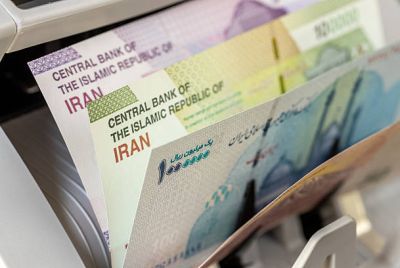
As for inflation expectations for the next year, they jumped 0.6 percentage points, now clocking in at 4.6 percent as energy prices continue to soar as a result of the war in Iran.
"The current reading substantially exceeds the 3.4% seen in February before the Iran conflict began, along with all 2024 readings. Long-run inflation expectations ticked up to 3.4%, ending three consecutive months at 3.3%. These expectations remain higher than their 2024 range of 2.8% to 3.2%," Hsu concluded.
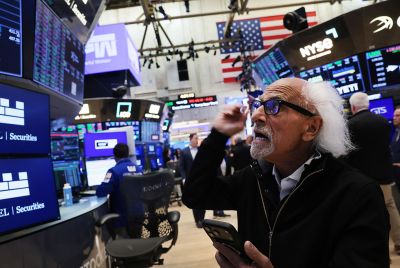
Bond yields keep climbing in the meantime, with the 30-year note reaching its highest level since 2002 on Tuesday as inflationary and geopolitical concerns continue to grip markets.
© Copyright IBTimes 2026. All rights reserved.
- Recommended For You